Same day rubbish collection Blackfriars station to Southbank
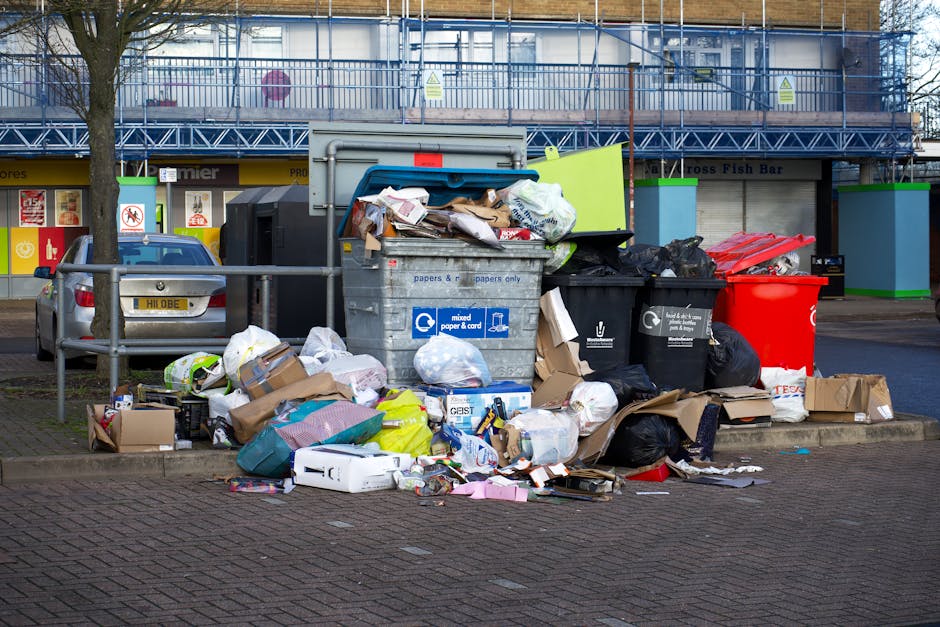
If you need Same day rubbish collection Blackfriars station to Southbank, chances are you need it sorted properly, quickly, and without turning your day into a logistics puzzle. Maybe a flat clearance has overrun, maybe builders have left more waste than expected, or perhaps you just want a clean, usable space again before evening. Whatever the reason, fast waste removal in this stretch of central London needs to be efficient, flexible, and mindful of access, timing, and local traffic. That is the real challenge. And yes, it can be done well.
In this guide, we'll break down how same day rubbish collection works around Blackfriars Station and Southbank, what to expect, when it makes sense, and how to avoid the common mistakes that slow everything down. We'll also cover practical options, compliance points, and a few real-world tips that tend to save people time, money, and a fair bit of stress.
Why Same day rubbish collection Blackfriars station to Southbank Matters
Central London has its own rhythm. Around Blackfriars Station and Southbank, that rhythm includes commuters, visitors, delivery traffic, narrow access points, roadworks, and the occasional "we thought it would only take an hour" job that somehow takes all day. When waste builds up in that environment, it is not just inconvenient. It can block access, affect neighbours, create safety issues, and derail plans for a handover, move-out, renovation, or event.
Same day rubbish collection matters because delay often makes the problem worse. A pile of bags in a courtyard attracts complaints. A stack of broken furniture in an office corridor can interfere with fire routes. A half-cleared flat becomes harder to finish. Truth be told, rubbish has a habit of expanding into a bigger issue the longer it is left alone.
There is also the question of first impressions. Southbank is busy, visible, and people notice clutter. For landlords, letting agents, facilities teams, shop managers, and homeowners alike, quick removal is often about restoring order before anyone has to ask for it. That sense of relief is real. You can feel the room breathe again once the waste is gone.
For anyone comparing options, it helps to understand the wider service range too. Some jobs are best handled through professional rubbish removal, while others may call for wait and load skip hire or a larger skip hire solution. The right choice depends on access, volume, and how quickly the waste needs to disappear.
How Same day rubbish collection Blackfriars station to Southbank Works
Same day rubbish collection is usually more straightforward than people expect, but it works best when the job is described clearly from the start. In practical terms, a collection team needs to know what is being removed, how much there is, where it is located, whether parking or access is awkward, and how urgent the pickup is. That is the backbone of the service.
Most same day jobs follow a simple pattern:
- Initial assessment. You explain the waste type, approximate volume, and access details. This is where a few good photos can save a lot of back-and-forth.
- Service match. The team decides whether the job suits man and van clearance, wait and load, grab hire, or a different collection method.
- Arrival window. In central London, time slots matter. A tight window is often more useful than a vague promise.
- Loading and separation. Waste is sorted where practical, with recyclables and non-recyclables kept apart when possible.
- Removal and transfer. The waste is taken away for lawful processing, recovery, or disposal.
In a busy corridor like Blackfriars to Southbank, access is often the decisive factor. If there is no room for a skip, or you cannot leave one on the street without dealing with permissions, a fast collection service can be the simpler route. In those cases, it may be worth looking at man and van services for smaller loads, or grab hire services for bulky material that needs lifting efficiently.
Sometimes the issue is not the amount of waste but the nature of it. Offices clearing old cabinets, confidential papers, or mixed furniture may need a more careful approach than a straightforward bag collection. You might also need support from office clearance or confidential shredding if there are records or sensitive items involved. That detail matters more than people think.
Key Benefits and Practical Advantages
The most obvious benefit is speed. But that is only part of the picture. A good same day rubbish collection service can make a day feel recoverable again. You stop stepping around bags. You stop apologising to tenants, staff, or neighbours. The job starts to feel manageable.
- Fast turnaround: Useful when you are on a deadline, clearing a property, or preparing for a delivery or inspection.
- Less disruption: No need to hold waste on site for days. That is especially handy where space is tight.
- Better for awkward access: Central London streets and courtyards often make skip placement impractical.
- Flexible load sizes: You are not forced into a large container if you only need a modest amount removed.
- Cleaner finish: The area is usually left tidier at the end, which helps if the job is customer-facing.
There are also practical savings hidden in the process. Not always financial savings, to be fair, but time savings and headache savings absolutely count. A quick collection can help you avoid repeat visits, wasted labour, or the need to rearrange contractors. For commercial premises, it can also reduce the risk of waste blocking footpaths or internal routes.
Where the waste mix is more specific, the right linked service can make things smoother. For example, builders working near the Thames-side corridors may prefer builders skip hire or builders waste removal, while larger sites may need site clearance or construction waste disposal. Matching the method to the mess is half the battle.
Who This Is For and When It Makes Sense
This service makes sense for more people than you might expect. It is not just for emergency clear-outs. In fact, a lot of same day rubbish collection jobs are planned at fairly ordinary moments-end of tenancy, after a quick office refit, post-delivery packaging, garden waste that has piled up, or a domestic clear-out that finally reached the point where the bags are taking over the hallway.
It is especially useful for:
- tenants and landlords finishing a move-out
- estate agents arranging fast property presentation
- office managers handling sudden furniture or paper waste
- builders and tradespeople with leftover rubble or packaging
- homeowners clearing lofts, garages, or spare rooms
- shops, cafes, and venues needing prompt back-of-house clearance
If the waste is domestic, a service like domestic skip hire might still be a fit for larger, slower jobs, but for something urgent and location-sensitive, direct collection often wins. If it is a one-off clear-out, a house clearance or garage and loft clearance may be better aligned.
It makes less sense when waste is highly specialised, hazardous, or spread across a large site that needs machine access. In those cases, you should be thinking about the right process first, not just the fastest one. That is where calm judgment helps more than urgency.
Step-by-Step Guidance
If you want the collection to go smoothly, the best approach is to prepare the job properly. A little organisation upfront can save an afternoon of faffing about. Here is a practical route that usually works well.
- Identify the waste type. Separate general rubbish, furniture, construction material, electrical items, and anything confidential or potentially hazardous.
- Estimate the volume. Is it a few bags, a van load, or closer to half a load? If you are unsure, photos are your friend.
- Check access. Think about stairs, lifts, loading bays, pedestrian restrictions, and parking space. Around Blackfriars and Southbank, access can be the real story.
- Decide how fast it needs to go. Same day, next day, or flexible. If the timing is fixed, say so early.
- Choose the right service type. Rubbish removal, wait and load, grab lorry, or a clearance service depending on the load.
- Prepare the waste. Bag loose debris, keep sharps secure, and separate obvious recyclables if practical.
- Confirm what is excluded. Some items need specialist handling, and it is better to know before arrival.
- Have payment and contact details ready. Small detail, big time saver.
If you are dealing with mixed materials, it is worth reading the guidance on what can go in a skip even if you are not hiring a skip. The same broad principles about segregation and restricted items still apply.
One thing many people miss: if your waste includes old appliances, a mattress, or bulky soft furnishings, it may be better to mention that separately. Services like fridge and appliance removal and mattress and sofa disposal exist for a reason. They are common enough to deserve their own planning.
Expert Tips for Better Results
Here are the small things that make a big difference. They are not glamorous, but they work.
- Take photos in daylight. Dark hallway photos look dramatic, but they are not that useful. A clear picture of the waste and access point helps far more.
- Put everything in one place if possible. If the collection team has to hunt for bags across a property, the job takes longer and costs more in time.
- Keep a separate pile for anything uncertain. Items you are not sure about should be flagged before collection, not left to be discovered on arrival.
- Be realistic about volume. The word "small" means different things to different people. One person's small job is another person's full van.
- Think about timing around traffic. Early morning and mid-afternoon can be very different in central London. That matters.
For commercial clients, it helps to tie rubbish collection to a broader site plan. If you are also dealing with furniture removal, document destruction, or building waste, coordinated services such as commercial skip hire and waste recycling services can reduce repeat disruption. It is a boring win, but a win nonetheless.
A small human note from real jobs: the best collections are usually the ones where the customer has been honest about the chaos. "There's more than I thought" is far easier to deal with than a surprise mountain by the door. Happens all the time.
Common Mistakes to Avoid
The same day rush can make people careless. That is understandable. But a few avoidable mistakes can turn a quick job into a messy one.
- Underestimating the amount of waste. It is common, and it causes planning problems.
- Mixing restricted items in with general rubbish. This slows collection and may mean the load cannot be taken as planned.
- Ignoring access restrictions. Narrow entrances, loading bays, and building rules are not minor details in this part of London.
- Leaving waste scattered around. Loose piles take longer to load and can create safety issues.
- Not checking what service is most suitable. Sometimes a skip is fine; sometimes wait and load skip hire or a van collection is simpler.
Another one: assuming every waste job can be handled the same way. It cannot. A small office clear-out and a messy builder's load are very different beasts. If demolition waste is involved, for instance, it may be more appropriate to look at demolition waste removal rather than a generic collection. The right match keeps the process smooth and, frankly, much less annoying.
And yes, it is tempting to "just leave it by the front and hope for the best." Usually that idea lasts until someone trips over it. Then it stops being a shortcut.
Tools, Resources and Recommendations
You do not need a complicated toolkit for rubbish collection, but a few simple resources help a lot. Think of this as the practical kit, not the fantasy version where everyone is perfectly organised.
- Phone camera: Useful for sending waste photos and access images.
- Basic tape measure: Helpful if you are deciding between collection types or comparing skip sizes.
- Bin bags and sacks: Good for loose waste, paper, packaging, and light domestic rubbish.
- Labels or notes: Handy when sorting recyclables, confidential material, or items to keep.
- Clear access route: Not a tool exactly, but it saves time more than anything else.
If you are still deciding between methods, this is where the more specialised pages become useful. Skip sizes and prices can help you compare capacity, while pricing and quotes is useful if you want a clearer sense of likely costs before booking. For people who want a fully enclosed solution in a busy, visible area, enclosed and lockable skip hire can also be worth considering.
There is a practical middle ground too. For jobs that need to happen quickly but do not justify a full skip, a man and van or grab lorry hire approach may be better. Choice matters. A lot.
Law, Compliance, Standards, or Best Practice
When waste is collected in London, compliance is not something to improvise. You do not need to become a legal expert, but you do need to understand the basics. Waste must be handled by appropriate means, and some materials require special care. That is standard good practice, not a bonus feature.
For example, commercial waste and mixed site waste should be transferred through lawful channels, with proper sorting and responsible disposal routes. Hazardous items such as chemicals, certain paints, asbestos-related material, or contaminated waste need specialist treatment. They should not be mixed into a normal load and forgotten about. The same goes for anything confidential. Shredding and secure handling are important where documents or data-bearing materials are involved.
Permits also matter if you are thinking about placing a skip on a public road. In many central London situations, permits or alternative access arrangements come into the conversation quickly. If you are unsure, it is worth checking the practical guidance on skip hire permits and skip permits so you understand what may be required before a vehicle arrives.
From a best-practice point of view, a reputable collection should aim to:
- protect workers and the public during loading
- separate recyclable material where practical
- avoid unnecessary contamination of the load
- use the right vehicle and lifting method for the job
- be clear about excluded or restricted items up front
For teams working around refurbishment, demolition, or structural clean-up, it is often smarter to coordinate waste movement with the main project plan. Services such as construction waste clearance and muck away services can fit that need better than a generic ad hoc collection. Best practice is usually the boring option. But it works.
Options, Methods, or Comparison Table
There is no single best method for every rubbish job between Blackfriars and Southbank. The right choice depends on volume, access, urgency, and waste type. Here is a simple comparison.
| Method | Best for | Advantages | Watch out for |
|---|---|---|---|
| Same day rubbish collection | Urgent mixed waste, furniture, general clear-outs | Fast, flexible, suitable for tight spaces | Needs clear access and accurate load details |
| Wait and load | Quick removals with no long-term placement space | No skip left on site, good for central London roads | Requires the waste to be ready when the crew arrives |
| Skip hire | Larger jobs with steady waste production | Useful for ongoing projects, straightforward disposal | May need permits or space, especially in busy areas |
| Grab hire | Bulky waste, soil, rubble, outdoor piles | Efficient loading, strong for heavy material | Needs vehicle access and enough clearance |
For many central London customers, the sweet spot is a combination of speed and practicality. A small office might use rubbish removal plus office clearance. A residential customer might choose domestic skip hire for ongoing work, or same day collection for a one-off emergency. The point is to match the service to the reality on the ground, not the idea of the job in your head.
Case Study or Real-World Example
Here is a typical example. A small office near Southbank is due to hand back a floor at the end of the day. During the final sweep, the team discovers more than expected: boxed archive material, an old printer, a few broken chairs, and a pile of general rubbish from the fit-out. The lift is narrow, the loading area is busy, and there is no room to leave a skip on site. Classic central London problem.
Rather than trying to force the job into a method that does not fit, the team arranges same day collection. The waste is grouped near the exit, confidential papers are separated for secure handling, and the bulky items are kept together. A van-based collection is used for the mixed load, while the paper waste is dealt with separately through confidential shredding. It is not dramatic. It is simply efficient.
The result is a clearer handover, less stress for the office manager, and no last-minute panic around access. The best part? Everyone gets to go home on time, which in my view is underrated.
Practical Checklist
Use this before booking your collection. It keeps things calm.
- Have you identified the waste type clearly?
- Do you know roughly how much needs removing?
- Are there any items that need specialist handling?
- Is the access route free and easy to describe?
- Have you taken a few clear photos?
- Do you know whether the job is urgent or flexible?
- Is the waste already grouped together?
- Have you separated confidential or sensitive material?
- Do you need advice on permits, if a skip is being considered?
- Have you checked whether recycling or reuse is possible for any of the items?
That last one is worth asking. Not every item should be treated as ordinary rubbish if it can be repurposed or recycled cleanly. A good disposal plan is usually a tidier plan too.
For more about the company behind these services, you can also review the about us page and the recycling and sustainability information when you want a better sense of standards and approach.
Conclusion
Same day rubbish collection Blackfriars station to Southbank is really about restoring control quickly in a busy, high-pressure part of London. The right service saves time, reduces disruption, and helps you avoid the small pile-up of problems that can happen when waste is left too long. Whether you are clearing a flat, an office, a building site, or a one-off mixed load, the best results usually come from clear communication, realistic planning, and choosing the method that matches the job.
If you remember nothing else, remember this: the faster you describe the waste accurately, the easier the collection becomes. That one step makes everything else smoother.
Get a free quote today and see how much you can save.
And if the day feels a bit too full already, that is understandable. Start with the rubbish. It is often the quickest way to make the whole place feel lighter.
Frequently Asked Questions
Can same day rubbish collection be arranged near Blackfriars Station and Southbank?
Yes, same day collection can often be arranged when access, waste type, and timing are clear. The key is giving accurate details early so the right vehicle and crew can be allocated.
What types of waste are usually collected the same day?
General household rubbish, bulky items, office waste, mixed clear-out material, and some construction waste are common examples. Restricted or hazardous items need separate handling.
Is same day rubbish collection better than skip hire for central London?
It depends on space and urgency. In tight, busy areas like Blackfriars to Southbank, collection is often easier than leaving a skip on site. For larger ongoing jobs, skip hire may still be the better fit.
Do I need to sort my waste before collection?
It helps a lot. Bag loose rubbish, separate confidential items, and keep anything unusual apart. You do not always need perfect sorting, but some preparation saves time and reduces complications.
What if I have furniture or appliances to remove?
That is common. Bulky items such as sofas, mattresses, fridges, and washing machines may need separate handling or special lifting. Mention them when you book so the collection can be planned properly.
How do I know whether I need wait and load or a van collection?
If the waste is ready and the team can load immediately from the property or loading area, wait and load may suit. If access is simpler with smaller loads or mixed clear-out waste, a van-based rubbish removal service may be more practical.
Can builders use same day rubbish collection?
Yes, especially for leftover packaging, rubble, and mixed light site waste. For heavier or larger projects, builders skip hire or construction waste clearance may be more appropriate.
What should I do with confidential papers or data-bearing materials?
Keep them separate and mention them clearly. Confidential shredding is the safer option where documents, records, or similar items need secure disposal.
Will I need a permit for rubbish collection?
Usually not for a direct collection, but permits may be relevant if a skip is placed on a public road. If you are considering that route, it is sensible to review skip permit guidance first.
How quickly can the team arrive?
That depends on demand, access, and location. In central London, timing can move fast, so it is best to ask early and be flexible if possible. Even a small shift in the schedule can make a difference.
What if I am not sure how much waste I have?
Take a few photos and describe the room or pile honestly. Most providers can work from that. It is much better than guessing and ending up short on capacity.
Is same day rubbish collection suitable for offices near Southbank?
Yes, especially for office clear-outs, furniture removal, archived paperwork, and end-of-lease jobs. Office clearance services can be a very good match where speed and discretion matter.
Can waste be recycled after collection?
Often, yes. Many collection services separate suitable materials for recycling where practical. If sustainability matters to you, ask how the waste will be processed and whether recyclable streams are separated.
What is the best first step if I need urgent rubbish removal today?
Gather a few clear photos, estimate the load, note any access issues, and contact a provider with the full picture. That single step usually gets the fastest, most accurate response.